
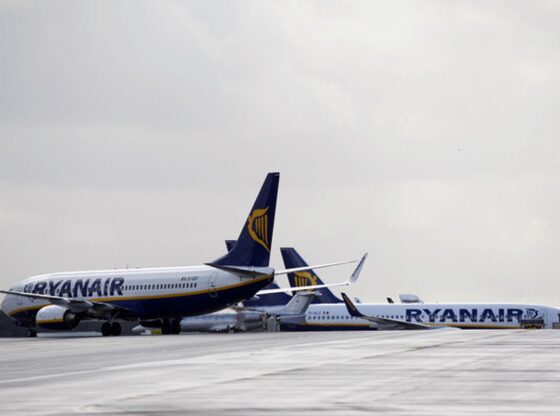

The last week was marked by chaos at Lisbon airport and long queues at the border with passengers stranded for several hours. At issue is the new European system for automated control of external borders, the Entry/Exit System (EES), which came into force on October 12th, and which has increased constraints on the entry and exit of non-EU passengers in the Portuguese capital.
A Ryanair considers that the current situation in the main national airport infrastructure is “unacceptable” and asks the Government to act by strengthening human resources.
“If the ANA is not willing to do what needs to be done in terms of staffing for border control, then the Government must intervene and ensure that it is properly equipped. All they have to do is decide to open the e-gates permanently, make them fully operational and hire more staff for the manual counters. This would ease the pressure, especially while the new system is not fully implemented. Passengers are leaving the plane and having to wait two and a half hours, almost the same time as the flight in many casesjust so they can leave the restricted area and take a taxi”, Jade Kirwan, communications director at Ryanair, tells DN.
Although the scenario in Portela has worsened in recent days, the spokeswoman for the low-cost company warns that the problem is not new and accuses the responsible authorities of blaming EES for the recurring delays in the infrastructure.
“Delays are nothing new and it is necessary to be careful in the analysis. The new border control system only came into force a week ago. It is true that the PSP went public to say that the system caused chaos, and yes, it worsened the situation, but it is important to highlight that this situation has been going on for a long time. In the summer we had already warned about the problems and nothing was done. They want to blame the new system, but the big problem is the lack of staff”, he assures.
Remember that this new border control system for non-EU citizens came into operation not only in Portugal, but in the other countries in the Schengen area. Passenger arrivals and departures will now be recorded electronically, replacing the old passport stamp system.
For the person responsible for low cost Irish, the comparative reading with the other European destinations where Ryanair operates gives strength to the argument. “The big problem in our activity is happening in Portugal and that’s why it’s hard for me to believe that everything is the EES’s fault. Sweden, Estonia, Czechia and Latvia have also implemented it and are not facing these challenges. It’s hard for me to think of another place where something comparable can occur. In Dublin, with 36 million passengers, as in Lisbon, passengers take less than five minutes to go through control. In Madrid, with around 35 million passengers per year, the average time is 3 minutes and 54 seconds”, he explains.
Ryanair met last week with the manager of national airports and says it now expects “concrete measures and actions” to be taken, warning of the upcoming end-of-year period, with the usual increase in passenger traffic as well as the next high season. “We need ANA and the Government to act urgently before the situation worsens, especially before the summer of 2026. It is imperative to anticipate scenarios in advance”, he reiterates in an interview with DN.
Jade Kirwan also regrets that the company’s reputation will end up being impacted due to the current disturbances in Humberto Delgado. “At the end of the day, our customers are flying with Ryanair and expect a decent service. They often don’t realize that we operate the flight, but are not responsible for border control. Once they enter the airport, the rest is no longer up to us”, he notes.