
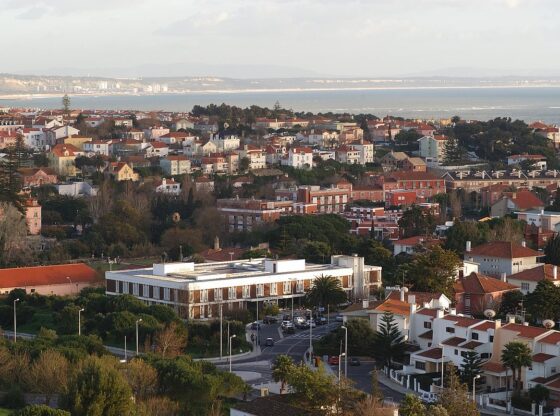

Oeiras became the Portuguese municipality with the greatest purchasing power per capitaovertaking Lisbon and taking the lead in the national ranking, according to the study Purchasing Power Europe 2025 and GfK/NIQ Geomarketing.
With an average disposable income of 26,863 euros per inhabitantOeiras slightly surpasses the capital, which comes in second place this year, with 26.161 euros. Cascais, Alcochete and Vila do Porto follow, all above 22 thousand euros per person per year. Porto, Coimbra and Mafra remain among the ten municipalities with the highest purchasing power, all above 20 thousand euros per capita, adds the study.
At the other extreme, municipalities in the interior, such as Vinhais and Benavente, remain well below the national average, reflecting the persistent gap between coast and interior.
Although Portugal has dropped one position in the European ranking — now occupying the 22nd place among 42 countries —, the average purchasing power of Portuguese people increased 15.7% compared to the previous year, reaching 16,943 euros per capita.
The study points to a recovery in consumption and income, driven by the stabilization of the economy and the gradual decline in inflation, expected to 2,3% em 2025.
However, high housing, energy and food costs continue to limit families’ real purchasing power. “Progress compared to the European average remains limited, reflecting the structural challenges of the Portuguese economy”, highlights António Salvador, general director of GfK/NIQ in Portugal, cited in a statement.
When compared to the rest of Europe, Portugal remains below the European average of 20,291 euros per inhabitant. The contrast is significant compared to the richest countries on the continent: the Liechtenstein leads with 71,130 euros per capitafollowed by Switzerland (53,011 euros) and the Luxembourg (38,929 euros). At the opposite extreme, Kosovo, Belarus and Ukraine record the lowest values.
Still, the study identifies a trend of gradual economic convergence among European economies, with several regions in Central and Eastern Europe growing above average, slowly approaching Western income levels.